01
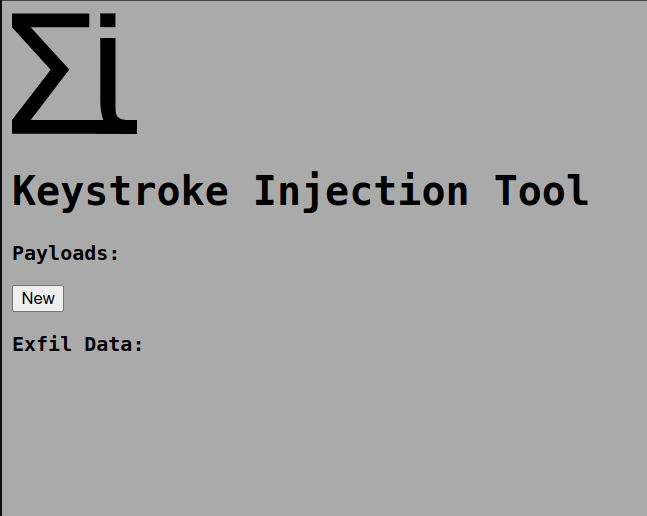
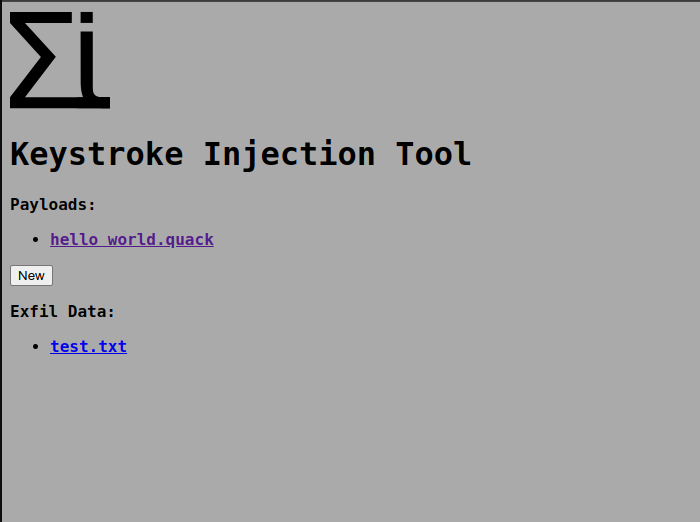
Browser payload editor
Create and tune `.quack` files from the built-in web interface without removing the SD card.

A short product introduction showing the device, workflow, and operator experience.
NJCTR keeps the operator close to the workflow: payload editing, Wi-Fi mode selection, autostart, arming mode, and visual status all live on the device.
Create and tune `.quack` files from the built-in web interface without removing the SD card.
Use the hardware button and `WAIT_FOR_BUTTON` to pause execution until the target is ready.
Join an existing network or run as an access point with displayed SSID and IP details.
Mark a payload to launch at power-on, then hold the button at boot to enter arming mode.
Receive files via the onboard `/exfil` endpoint and download them from the web UI.
Screen status and RGB logo commands help track payload state during live use.
The case keeps the USB form factor small while exposing the screen, side controls, and connector geometry operators need to read at a glance.
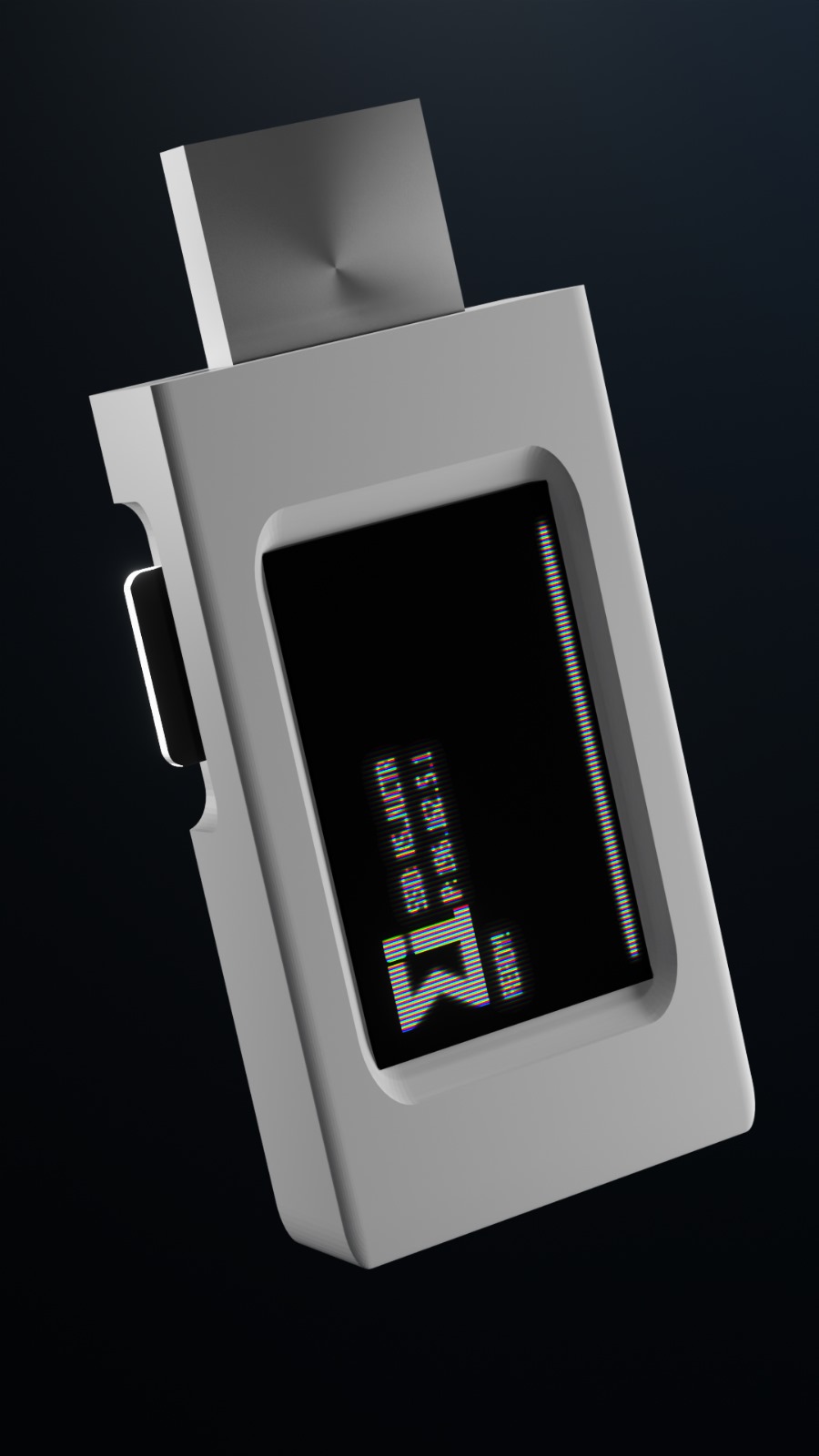
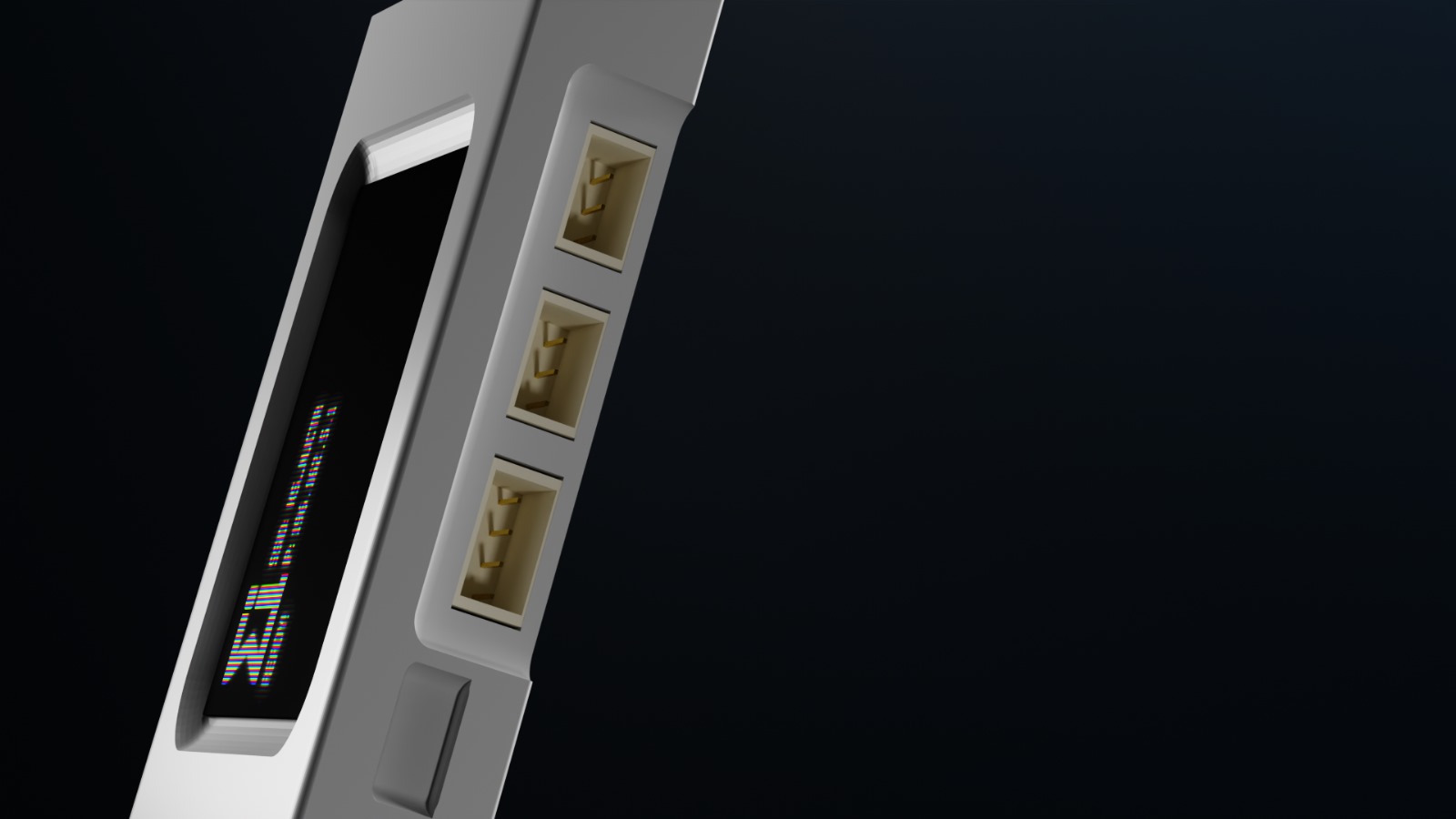
Connect to the displayed IP address, open the interface, then create, edit, save, run, delete, or mark scripts for launch on startup.
Designed around a Waveshare ESP32-S3-GEEK running CircuitPython with USB HID keyboard output.
| Platform | Waveshare ESP32-S3-GEEK |
|---|---|
| Runtime | CircuitPython firmware with onboard web server |
| Input | SD card, Wi-Fi web UI, hardware button |
| Payloads | DuckyScript-style `.quack` files |
| Default AP | NJCTR3000 / prettyflyforawifi |
| Use cases | Authorised testing, training, administration, onboarding, response drills |
Use it to teach HID risks, automate setup tasks, validate controls, or run tightly scoped security exercises where timing and repeatability matter.